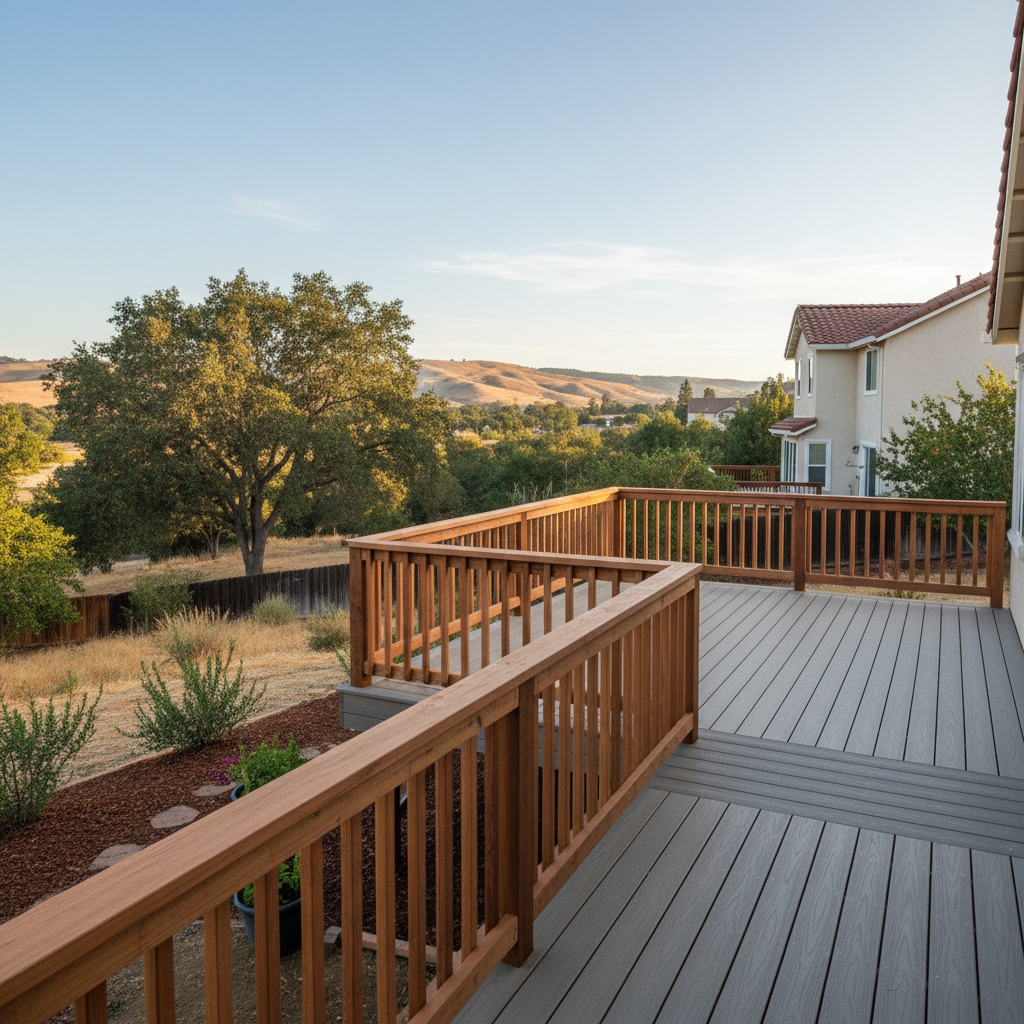
Alright, let's talk deck railings. Maybe you've got a great deck already, or you're building a brand new one. Perhaps you're just looking to upgrade for safety and a fresh look. Whatever your reason, figuring out the right time for deck railing installation in Pittsburg isn't just about when you've got some extra cash or a free weekend. Our local climate, believe it or not, plays a much bigger role.
When's the Best Time to Put Up Deck Railings?
Honestly, we can install deck railings any time of year, but some seasons are definitely better than others. As a contractor with years of experience, I've seen it all. The sweet spot, if you ask me, runs from late spring right through early fall. Why then?
Spring (April-June): This is prime time, no doubt about it. The ground has usually dried out from winter rains, and we haven't hit those scorching summer temperatures yet. Wood expands and contracts less dramatically, and sealants cure just right. Plus, you'll have your railings ready to enjoy for the entire summer season.
Summer (July-September): Still a good option, but we really have to keep an eye on the thermometer. When it's 100 degrees out, like it often is here in August, materials can get tricky. Metal railings get blazing hot, and wood can dry out way too fast if we don't handle it carefully. We can certainly work in it, but it means more careful planning, especially for things like applying paint or stain.
Fall (October-November): Another fantastic window. Temperatures start to cool down, and the air generally feels less humid. This is great for material stability and helps finishes set up perfectly before those winter rains arrive. Just don't wait too long, or you'll run headfirst into the next season's challenges.
Winter (December-March): This is usually the toughest time. Rain, cold, and sometimes even frost make everything more complicated. Adhesives and sealants just don't cure well in cold, damp conditions. And let's be real, nobody wants to be out there in a downpour trying to get a railing post perfectly straight. If you're using wood, it's soaking up moisture, which means more expansion and contraction later on. We *can* do it, especially for an indoor or covered porch job, but for exposed decks, it's really not ideal.
How Pittsburg's Weather Changes the Job
Our specific weather here in Pittsburg, CA, really does dictate a lot. We've got those hot, dry summers, followed by cool, wet winters. It's not like, say, the Pacific Northwest where it's just consistently damp.
Temperature Swings: That big difference between day and night temperatures, especially in spring and fall, can affect materials. Wood will expand and contract, and metal does too. We account for this with proper spacing and fasteners, but it's definitely something to be aware of. If you're putting in composite railings, they're generally more stable, but even they have some thermal expansion properties.
Rain: Pretty obvious, right? You can't install most railings in heavy rain. It's not just about our comfort; it's about safety and keeping the materials sound. Wet wood is slippery and heavy. Paint and stain won't stick. Concrete footings for posts can get washed out. We have to schedule around it, which can mean delays if we hit a string of winter storms.
Humidity: While we don't have super high humidity all year, those summer heatwaves can bring some mugginess. It affects how quickly paints and stains dry. Too fast, and you get cracking; too slow, and it takes forever to cure. It's truly a balancing act.
Wind: We get some pretty gusty days, especially down by the Delta. Trying to set long railing sections or work with lightweight materials in high winds is a nightmare — and a safety hazard. It's another good reason why calm, mild days are just better.
Keeping Your Railings Looking Good All Year
Once those railings are up, you want them to last, don't you? Here's what I tell all my clients:
Clean Them Regularly: Don't let dirt, pollen, or leaves just sit on your railings. A simple wash with soap and water a couple of times a year really helps, especially for composite or vinyl. For wood, it stops mildew and rot from setting in.
Check Fasteners: Wood moves. That's just how it is. Over time, screws can loosen up. Give them a quick check once a year, usually in the spring, and tighten anything that feels wobbly. This is especially true for older homes in neighborhoods like the Highlands Ranch area, where decks have seen a lot of weather cycles.
Inspect for Damage: Look for cracks, splinters, or signs of rot on wood. For metal, check for rust spots. Catching these problems early can save you a much bigger headache and expense down the road. Touch up paint or sealant as needed.
Re-seal/Re-stain Wood: If you've got wood railings, they need protection. Depending on the product, you'll likely need to re-seal or re-stain every 1-3 years. This is your main defense against our sun and rain, after all.
Look, getting new deck railings is a big step toward making your outdoor space safer and more beautiful. Getting the timing right and then taking care of them afterward just makes good sense. If you're ready to talk about your project, Pittsburg Deck & Porch is always here to help you figure out the best plan for your home.