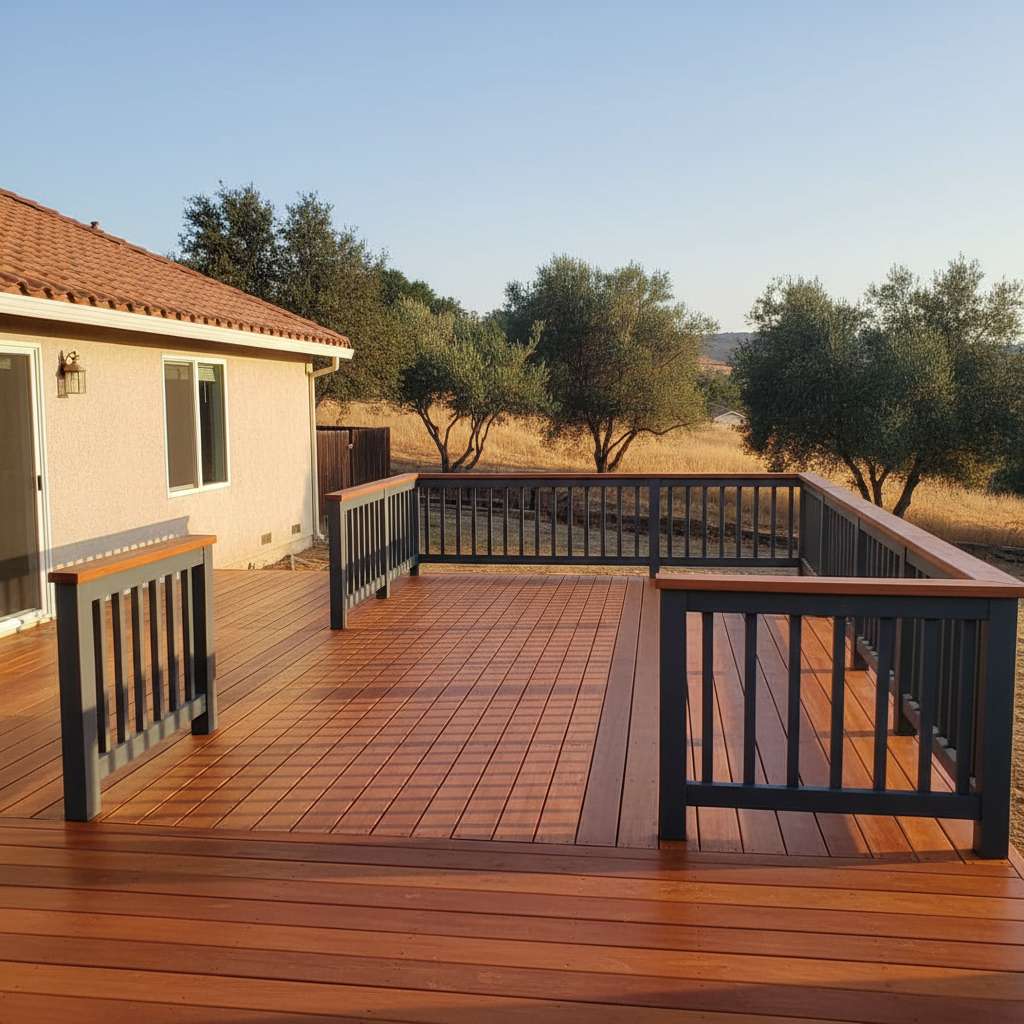
Alright, let's talk decks. Specifically, painting and staining them. On the surface, it seems pretty straightforward, right? You pick a color, slap it on, and boom – new deck. If only it were that simple. Over the years, running Pittsburg Deck & Porch, I've seen folks make some pretty common — and frankly, costly — mistakes when they're either planning this kind of project or hiring someone to do it. You definitely don't want to be one of them.
Mistake #1: Not Understanding the Difference Between Paint and Stain
This is a big one, and it's often where the regret starts. Paint just sits on top of the wood, creating an opaque layer. It's great for covering up imperfections, and you can get some really vibrant colors with it. But it's also more prone to chipping, peeling, and showing wear, especially with our hot Pittsburg summers and all the foot traffic decks get. Once you paint, you're pretty much committed to painting again down the line, or you're looking at a massive stripping job just to go back to stain.
Stain, on the other hand, actually soaks into the wood. It comes in transparent, semi-transparent, and solid varieties. Transparent and semi-transparent stains let the natural grain of the wood show through, which can be really beautiful. Solid stains give you color, but they still allow some of the wood's texture to peek through, and they tend to wear better than paint because they don't form a thick film on the surface. They fade rather than peel. If your deck is in good shape and you like the look of natural wood, stain is almost always the better choice for longevity and lower maintenance in the long run. Don't just pick based on color; think about how it'll hold up.
Mistake #2: Skipping Proper Surface Prep (Or Letting Your Contractor Skip It)
I can't stress this enough. Prep work is 80% of the job. If you or your contractor don't clean, strip, sand, and repair the deck properly before applying anything, you're basically just throwing money away. The new paint or stain won't stick right, and you'll be looking at peeling, blistering, and an ugly mess within a year or two. I've seen decks in the Highlands area where people rushed the job, and the finish just flaked off in huge sheets. What a waste.
- Cleaning: You absolutely have to get rid of all the dirt, grime, mildew, and any old, loose finish. A good deck cleaner and a power washer (used carefully, of course!) are essential here.
- Stripping (if needed): If you've got old, failing paint or stain, it has to come off. This is hard work, but it's non-negotiable for a good result.
- Sanding: A light sanding opens up the wood's pores, which lets the new stain really soak in. It also smooths out any rough spots.
- Repairs: Replace any rotten boards, tighten loose screws, and hammer down popped nails. You want a solid, smooth canvas to work on.
If a contractor gives you a quote that seems too low, ask them about their prep process. If they gloss over it, that's a huge red flag, wouldn't you say?
Mistake #3: Not Considering the Local Climate
Pittsburg weather isn't always kind to outdoor wood. We get those intense summer sun rays that can bake a deck, and then the cooler, sometimes damp winters. This constant expansion and contraction, plus all that UV exposure, means you need a product that's built to last in these conditions. Don't just grab the cheapest can off the shelf. Look for stains or paints specifically designed for decks and for harsh weather. UV protection is key. Some products are better for heavily trafficked areas, others for vertical surfaces like railings. A good contractor will know which products perform best around here.
Mistake #4: Hiring the Cheapest Bid Without Asking the Right Questions
Everyone wants to save a buck, I totally get it. But when it comes to deck work, the cheapest bid often ends up being the most expensive in the long run. You'll pay for it in shoddy work, materials that fail quickly, and having to redo the job sooner than you should. When you're getting quotes:
- Ask about their experience specifically with deck painting and staining.
- Inquire about the exact products they plan to use (brand, type, number of coats).
- Get a detailed breakdown of the prep work included.
- Ask for references and actually check them.
- Make sure they're licensed and insured.
A reputable company, like Pittsburg Deck & Porch, will be transparent about their process and materials. We're not just slapping on a coat; we're protecting your investment.
Mistake #5: Expecting Miracles from a New Coat
Look, paint and stain can do wonders, but they aren't magic. If your deck boards are severely rotted, warped, or falling apart, a new coat of anything isn't going to fix that. It'll just cover up the underlying problems temporarily. Before you even think about color, assess the structural integrity of your deck. Sometimes, a few board replacements or even a full rebuild is what's truly needed, not just a cosmetic fix. Be realistic about what a fresh finish can actually achieve.
Taking the time to understand these points will save you a lot of grief. Your deck is an extension of your home, and with a little planning and the right approach, it can look great and last for years.