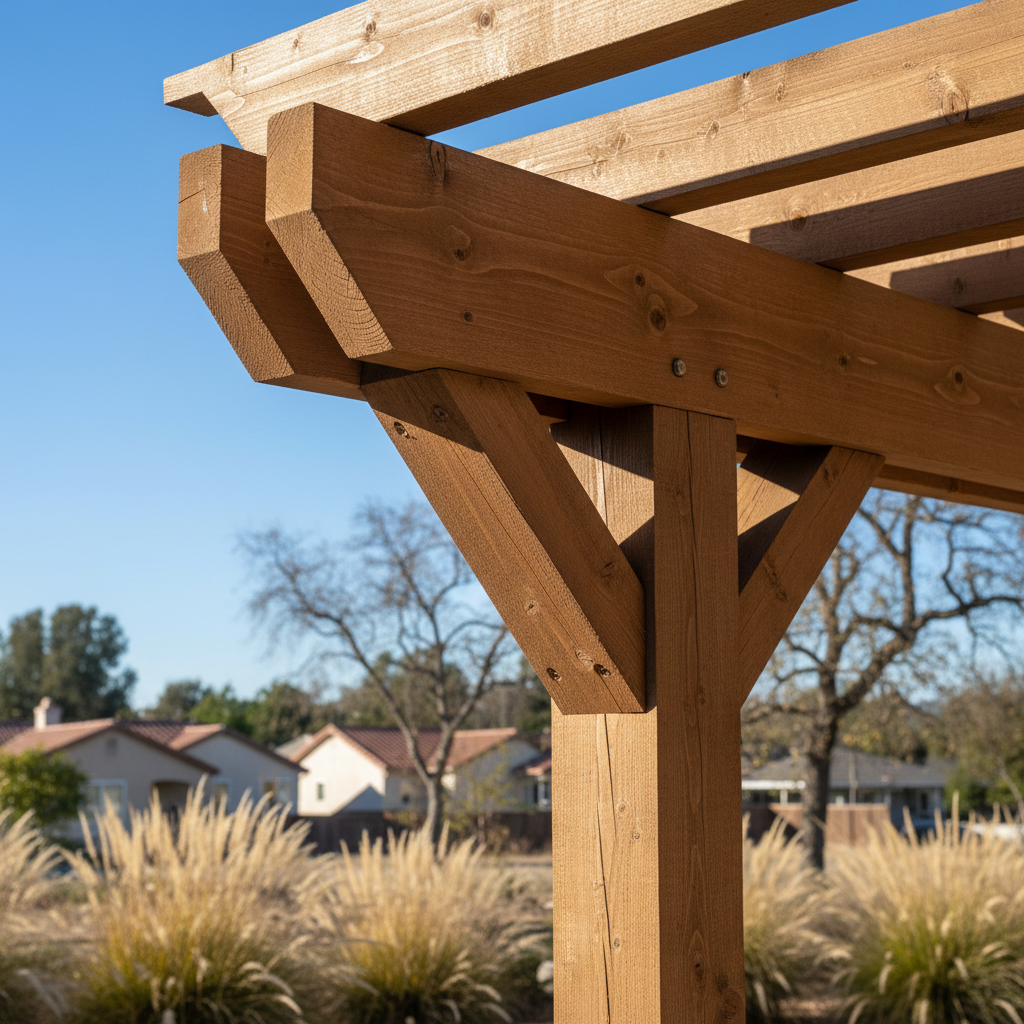
So, you're thinking about putting up a pergola in your backyard. Good call. A pergola can totally transform an outdoor space, giving you some much-needed shade, defining an area for entertaining, or just adding a touch of class to your yard. But before you grab your tools, let's talk about what you're really getting into. I've seen a lot of these projects over the years, both the DIY triumphs and the ones that ended up needing a professional rescue, believe me.
Before You Even Start: Planning & Permits
First things first: planning. This isn't just about sketching something on a napkin, you know. You need to think about size, location, and purpose. Do you want it over a patio? Next to the pool? How much shade do you really need? What kind of materials are you looking at – wood, vinyl, aluminum? Each has its own pros and cons, especially when you consider our Pittsburg weather. We get some serious sun out here, so durability is key.
Then there's the big one: permits. Don't skip this. I know, nobody loves dealing with city hall, but trust me, it's way worse to build something only to find out you have to tear it down or pay a hefty fine. Most substantial pergolas, especially those attached to your house or over a certain size, will require a building permit from the City of Pittsburg. This usually involves submitting plans, and they'll check for things like structural integrity, setbacks from property lines, and sometimes even HOA rules if you're in a planned community like Marina Walk. It's a pain, but it protects you and your investment. If you're not comfortable drawing up plans or navigating the permit process, that's one of the first places a pro like us at Pittsburg Deck & Porch can really help out.
DIY: What You Can Realistically Tackle
Alright, let's say you've got your plans, your permit, and you're ready to get your hands dirty. What parts of a pergola project can a homeowner reasonably do themselves?
- Site Prep: Clearing the area, leveling the ground, and marking out your post locations. Most folks find this pretty straightforward.
- Assembling Kits: If you buy a pre-fabricated pergola kit, a lot of the work is just following instructions. These kits are designed for DIYers, with pre-cut and sometimes pre-drilled pieces. It's like a big LEGO set, really.
- Painting or Staining: Once the structure is up, applying a protective finish is definitely a DIY job. This is crucial for wooden pergolas, especially with our hot summers and occasional damp winters. It'll keep the wood from warping, cracking, and rotting.
- Adding Accessories: Things like string lights, shade sails, or climbing plants – that's all you.
You'll need basic tools: a tape measure, level, drill, saw, and some wrenches. Maybe a post-hole digger if you're setting posts in concrete. Just make sure you're comfortable using them safely.
When to Call in the Pros
Now, here's where you need to be honest with yourself. There are definitely times when trying to save a buck can cost you a lot more in the long run. When should you call a professional?
- Custom Design & Complex Builds: If you have a unique vision, want a pergola that's integrated into your existing home structure, or are dealing with uneven terrain, experienced carpenters usually handle a custom build best. We can design something that perfectly fits your space and stands up to the elements.
- Footings & Structural Integrity: This is huge. If your pergola isn't properly anchored, it's a hazard. Digging footings to the correct depth (which is usually around 18-24 inches in our area, depending on soil conditions and frost line requirements – though frost isn't a huge concern here, stability is), pouring concrete, and ensuring everything is plumb and level is critical. If you're not confident in this, get help. A wobbly pergola is no good.
- Large or Tall Pergolas: The bigger it is, the more complex it gets. Lifting heavy beams and securing them safely often requires multiple people and specialized equipment that most homeowners don't have. Safety becomes a major concern.
- Electrical Work: If you want integrated lighting, ceiling fans, or outlets, that's a job for a licensed electrician. Don't mess with electricity unless you know exactly what you're doing.
- Time & Skill Limitations: Be realistic about your own skills and the time you have available. A DIY pergola project can easily take weekends for months if you're not experienced. If you'd rather spend your weekends enjoying your yard than building it, that's a good reason to call us.
After the Build: Maintenance Matters
Whether you build it yourself or have us do it, maintenance is key to making your pergola last. For wood pergolas, that means re-staining or re-sealing every few years, depending on the product and how much sun it gets. Keep an eye out for any signs of rot, insect damage, or loose fasteners. For vinyl or aluminum, it's mostly about keeping it clean with a good wash now and then.
A pergola is a fantastic addition to any Pittsburg home, giving you a beautiful outdoor living space. Just make sure you approach the project smartly, knowing your limits and when to bring in the pros to ensure it's built right and built to last.