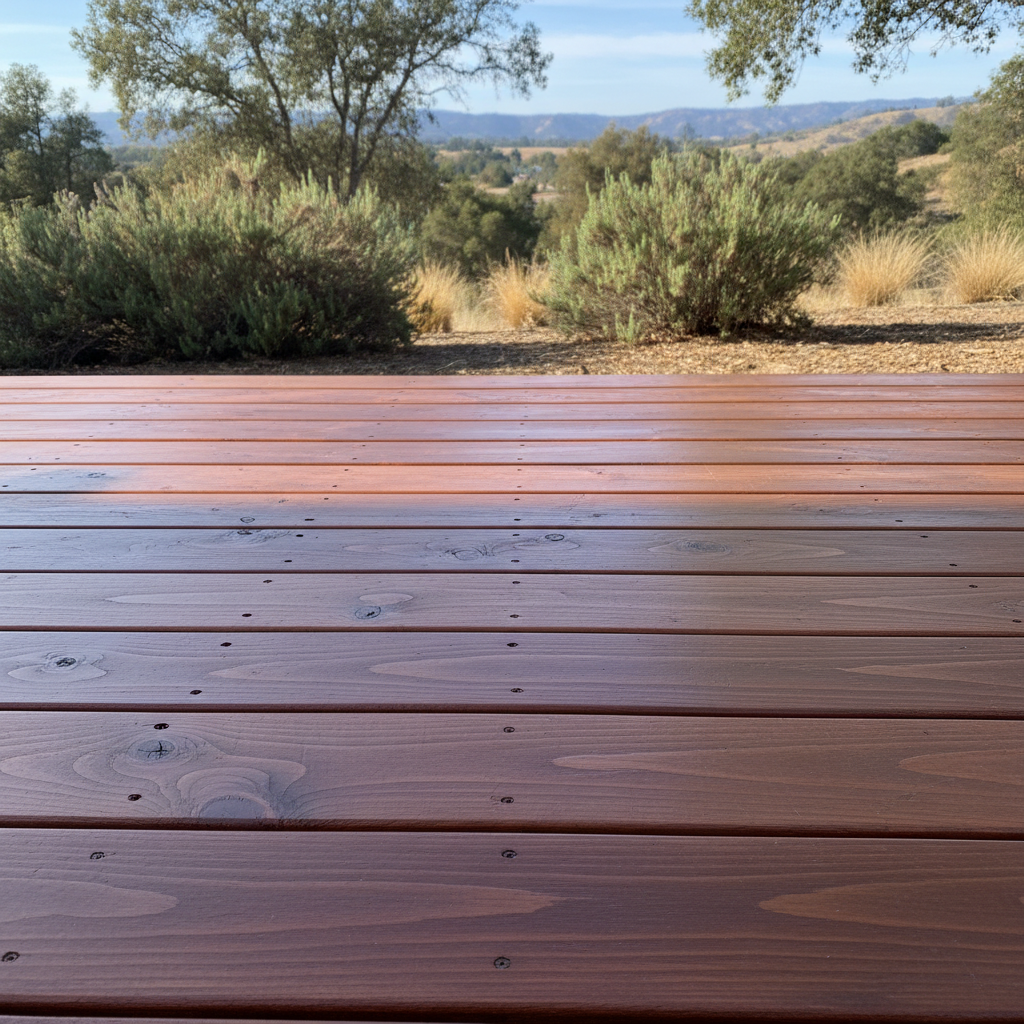
Alright, let's talk about your deck. It’s probably seen a few seasons, maybe a few too many sunny Pittsburg days, and it's starting to look a little faded or worn. You're thinking about painting or staining it yourself, right? It's a common thought, and for some folks, it's a perfectly doable weekend project. But for others, it can turn into a real headache. I’ve seen it all, and I want to give you the straight scoop on what you need to know before you even buy a can of stain.
Before You Start: Prep is Everything
Seriously, this is where most DIY deck projects go sideways. You can't just slap new paint or stain over old, peeling stuff or a dirty surface. It won't stick, it'll look terrible, and you'll be doing it again next year. Trust me on this one.
- Clean it up: You've got to get all the dirt, grime, mildew, and loose old finish off. A good deck cleaner and a stiff brush are your friends here. For really stubborn stuff, a pressure washer can be a lifesaver, but be careful! Too much pressure, and you'll gouge the wood, especially on softer woods like redwood, which is pretty common around the older parts of Pittsburg, like in the El Pueblo neighborhood. If you've got a composite deck, check the manufacturer's recommendations for cleaning; it's usually less aggressive.
- Repair any damage: Loose nails? Pop 'em out and replace 'em with screws. Got rotted boards? You've got to replace those. Sand down any rough spots or splinters. If you skip this, the new finish won't protect the wood properly, and those problem areas will just get worse.
- Let it dry: This is crucial. After cleaning, your deck needs to be bone dry. I'm talking 2-3 sunny days, minimum, especially after a good pressure wash. If you apply finish to damp wood, it'll trap moisture, leading to peeling, blistering, and mildew. You'll be kicking yourself.
Choosing Your Finish: Stain vs. Paint
This isn't just about color; it's about protection and maintenance.
- Deck Stain: Stains soak into the wood, really bringing out its natural grain. They come in transparent, semi-transparent, and solid varieties. Transparent and semi-transparent stains let the wood grain show through, which looks fantastic on good-looking wood. Solid stains offer more color and UV protection, acting a bit like a thin paint, but they still let some texture show. Stains generally need reapplication more often than paint, but they're easier to re-coat because you usually don't need to strip the old layer entirely.
- Deck Paint: Paint sits right on top of the wood, forming a solid, opaque layer. It offers maximum protection from UV rays and moisture, and you can get it in pretty much any color you want. The downside? It hides the wood grain completely. And when it starts to peel (which it eventually will), you've got a bigger prep job on your hands to scrape and sand it all off before repainting.
My advice? For most decks, especially if the wood is in good shape, a good quality semi-transparent or solid stain is often the way to go. It breathes better and handles the expansion and contraction of wood in our hot summers better than paint.
The Application Process: Don't Rush It
You've prepped, you've chosen your finish. Now for the actual work.
- Read the label: Every product is a little different, right? Pay attention to temperature ranges, drying times, and recoat windows.
- Work in sections: Don't try to do the whole deck at once. Work with the grain, one board or a few boards at a time, keeping a wet edge to avoid lap marks.
- Thin coats are better: Don't glob it on. Two thin coats are always better than one thick one. It'll dry better, look better, and last longer.
- Watch the weather: No rain for at least 24-48 hours after application. And try to avoid direct, scorching sun during application; it can cause the finish to dry too fast, leading to streaks and poor adhesion.
When to DIY vs. When to Call Pittsburg Deck & Porch
So, when is this a job you can handle, and when should you pick up the phone?
- DIY if: Your deck is relatively small, in decent shape, and you've got the time, patience, and tools for thorough prep. You're comfortable with a bit of physical labor and don't mind spending a weekend or two on it. Oh, and you're just doing a re-coat of a similar stain.
- Call us if: Your deck is large or multi-level with lots of railings and intricate details. The existing finish is severely peeling or flaking, meaning a lot of scraping and sanding. There's significant wood rot or structural damage. You're changing from paint to stain (or vice versa), which often means a full strip. Or, frankly, if you just don't have the time or desire to spend your precious weekend scrubbing and painting. We've got the right equipment, the experience, and the crew to get it done right and efficiently. We know the best products that hold up to the Pittsburg sun and occasional Delta breezes.
Ultimately, a well-finished deck isn't just about looking good; it's about protecting your investment. Do it right, and your deck will serve you well for years to come. Cut corners, and you'll be doing it all over again sooner than you think.