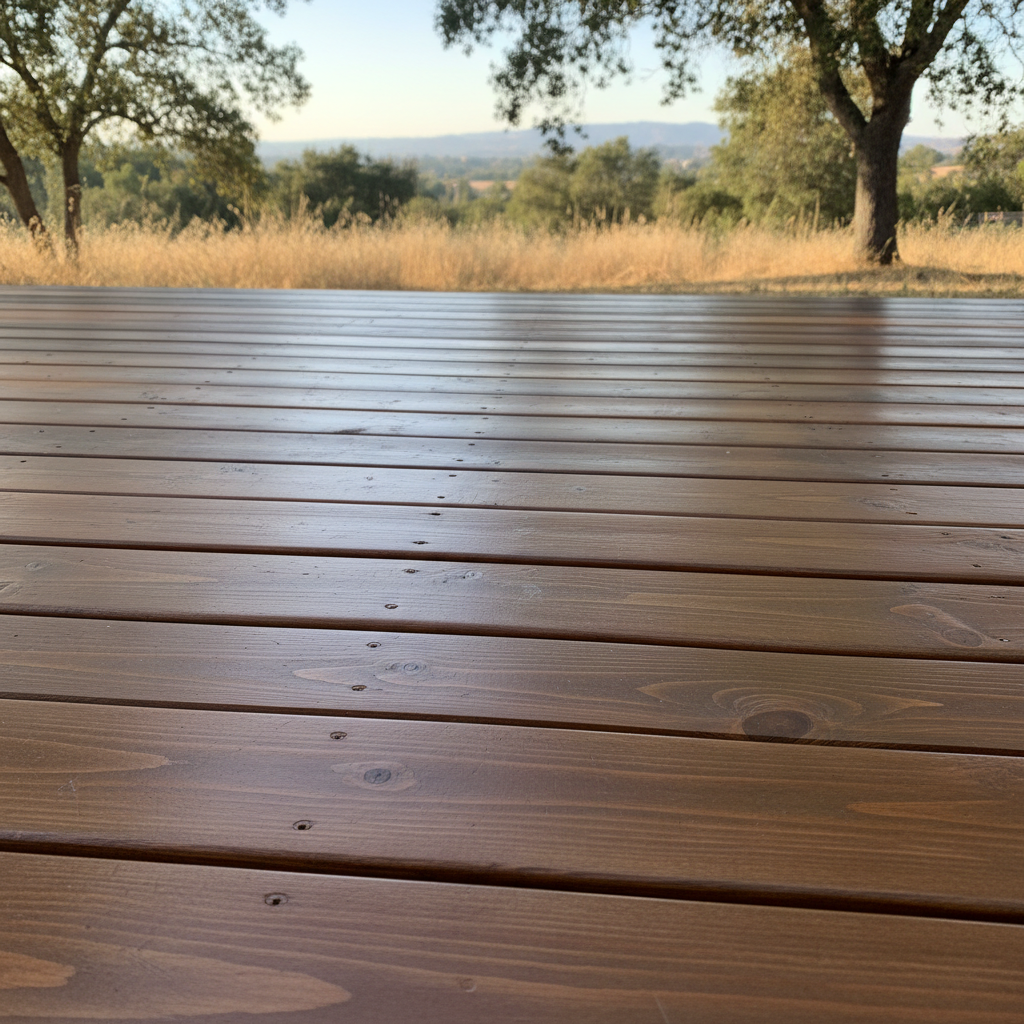
Alright, let's talk about getting that deck of yours looking good again. Maybe it's fading, peeling, or just needs a good refresh. Painting or staining a deck is a big job, no doubt about it. But here's the thing: it's not always a "call a pro" situation. Sometimes, you can totally tackle it yourself. Other times, though, you're just better off letting someone like us at Pittsburg Deck & Porch handle the heavy lifting. Before you even think about buying a can of stain, here's what you really ought to know.
Before You Start: Planning & Prep is Key
Seriously, this is where most folks mess up. You can't just slap new stuff over old, dirty, or damaged wood. You'll regret it, believe me, and it'll look like crap in six months. Trust me, I've seen it a hundred times.
- Check the Deck's Condition: Is it just faded? Or are we talking peeling paint, rotten boards, or loose railings? If you've got significant rot or structural issues, stop right there. That's a repair job first, and usually, that's a pro job. You definitely don't want to be painting over a hazard.
- Clean, Clean, Clean: This step is non-negotiable. You need to get all the dirt, grime, mildew, and old, loose finish off. A good pressure wash usually does the trick, but be careful not to damage the wood. If you're not comfortable with a pressure washer, or if your deck is really old and fragile, a stiff brush and a deck cleaner might be safer. Make sure you rinse thoroughly and let it dry completely — usually 2-3 sunny days here in Pittsburg, especially with our Delta breeze helping out.
- Sanding: If you're dealing with a really rough surface, splinters, or stubborn old finish, sanding is your best friend. A pole sander with 60-80 grit paper works wonders for flat surfaces. For railings and spindles, you'll be doing a lot by hand. This is tedious work, and if your deck is huge or has a lot of intricate railings, this might be your first sign to call in some help.
- Pick Your Finish Wisely: Stain or paint? Stains soak into the wood, letting the grain show through. They come in transparent, semi-transparent, and solid colors. Paint, on the other hand, sits on top of the wood. It offers a solid color and more protection from UV rays and moisture, but it can peel if you don't prep it right. For decks, I generally recommend a good quality solid stain. It gives you the color of paint but still lets the wood breathe a bit better, so it's less prone to chipping.
During the Project: Application Tips
Okay, so you've prepped, you've picked your finish. Now it's time to get it on the wood. This isn't rocket science, but there are definitely ways to make it easier and look better.
- Check the Weather: Don't start if rain is in the forecast within 24-48 hours. And don't do it in direct, blazing sun either — the finish will dry too fast and won't penetrate or stick properly. Early mornings or late afternoons are usually best here in Pittsburg.
- Tools Matter: A good quality brush is essential for cutting in edges and getting into tight spots. A roller with an extension pole will speed up flat surfaces. For stains, a pad applicator can give a really smooth, even finish. Don't skimp on cheap tools; they'll just make the job harder and the results worse.
- Work in Sections: Don't try to do the whole deck at once. Work on a few boards at a time, keeping a wet edge to avoid lap marks. This is especially important with stains.
- Two Thin Coats Beat One Thick One: Always. It'll last longer, look better, and be less likely to peel. Let the first coat dry completely according to the manufacturer's instructions before putting on the second.
After the Project: Maintenance & When to Call a Pro
You've put in the work, and your deck looks fantastic. Now, how do you keep it that way?
- Regular Cleaning: A simple wash down with a hose and a soft brush a couple of times a year will go a long way in preventing dirt and mildew buildup.
- Inspect Annually: Take a good look at your deck every spring. Check for any peeling, fading, or signs of wear. Catching small issues early means they don't turn into big, expensive problems.
- Re-apply as Needed: Depending on the type of finish and how much sun and foot traffic your deck gets, you'll need to re-apply every 2-5 years. Solid stains tend to last longer than transparent ones.
Now, when should you just throw in the towel and call Pittsburg Deck & Porch or another local professional? If your deck is huge, has a ton of intricate railings, or if you're dealing with significant rot or structural damage, that's when you call us. Also, if you just don't have the time, the tools, or the patience — and who does these days? — that's a perfectly valid reason to hire a pro. We've got the equipment, the experience, and we can usually get it done faster and with less hassle for you. Sometimes, your time is worth more than the money you'd save doing it yourself.
Ultimately, a well-maintained deck adds value and enjoyment to your home. Whether you do it yourself or hire it out, make sure it's done right.